




Los Angeles does not sit still. The ground shifts, soaks, dries out, and shifts again, and the pipes buried underneath absorb every cycle of it.
For contractors and engineers working on trenchless pipe rehabilitation across LA County, the San Fernando Valley, the coastal corridor, and the South Bay, CIPP liner thickness is one of the most consequential decisions on any rehab project. Get it wrong, and the ground will eventually prove it.
What Makes Los Angeles Soil Conditions Uniquely Demanding
Southern California’s soil profile is not uniform. Expansive clay soils throughout the San Fernando Valley and inland areas swell when saturated and contract under drought conditions. The back-to-back atmospheric river events of late 2024 and early 2025 drove extreme saturation cycles into already stressed underground infrastructure across the region.
That sustained wet-dry movement places continuous bending and shear stress on host pipes and the liners inside them. A 2mm cured-in-place pipe liner operating near minimum structural thresholds has limited capacity to absorb that kind of ongoing loading variation.
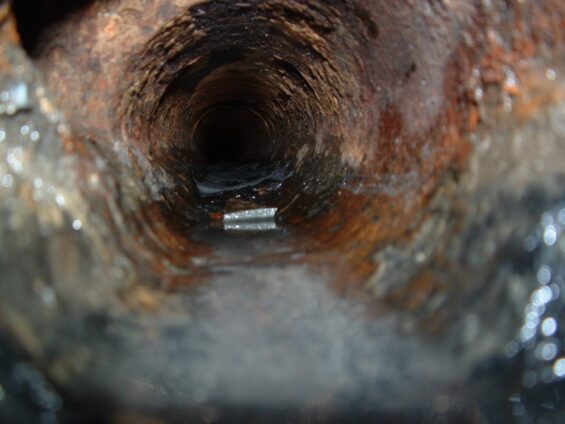
Seismic ground movement adds another dimension entirely. Pipe joints shift. Host pipes crack. Liners that might perform adequately in stable soil conditions face additional deformation forces that simply do not appear in standard design tables.
The Load Environment Every LA Installer Should Account For
When evaluating CIPP liner thickness for a Los Angeles installation, the structural picture includes:
- Expansive clay soils in the Valley, Eastside, and inland areas that move with every major rain event
- Coastal groundwater pressure in Santa Monica, Venice, Long Beach, and the harbor areas
- Seismic micro-movement from ongoing fault activity across the basin
- Host pipes ranging from severely deteriorated clay tile to cracked concrete, many installed in the postwar build-out of the 1950s and 1960s
- Heavy vehicle loads on LA’s arterial road network, including surface streets that carry freight volume comparable to many smaller cities’ freeways
- LASAN and LA County specifications that increasingly reflect stricter long-term performance standards
A 2mm CIPP liner may satisfy minimum ASTM F1216 requirements under favorable conditions. Los Angeles rarely delivers favorable conditions.
The Cost of a Callback in This Market
Mobilization in LA is expensive. Traffic control on a major arterial or residential street near the 405 or the 101 adds real cost to every service call. When a liner fails or underperforms, a contractor in this market is not just eating warranty labor. They are absorbing permit re-pulls, traffic control costs, crew time, and the reputational hit in a market where word travels fast among municipal buyers and general contractors.
The January 2025 wildfires accelerated infrastructure reconstruction timelines across large portions of LA County. Contractors with clean performance records are winning more of that work. Those with callbacks in their history are not.
Why 3mm Is the Right Call for LA Jobs
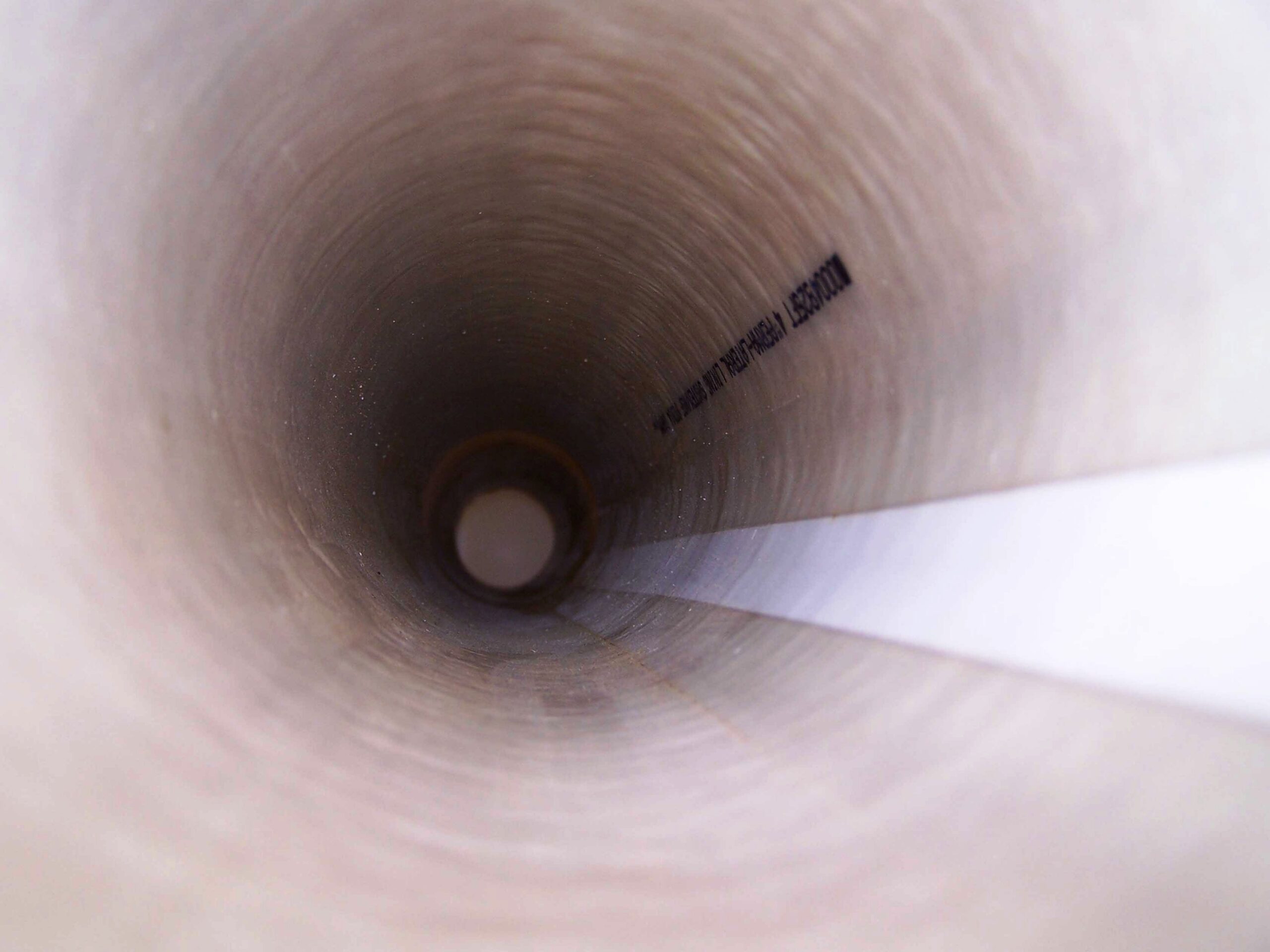
A 3mm CIPP liner provides the structural margin that LA’s underground demands. The advantages are direct:
- Greater resistance to the soil movement and load cycling common across the basin
- Improved sewer liner structural capacity in deteriorated clay and concrete host pipes
- More installation forgiveness when seismic or soil conditions differ from pre-job assessments
- Stronger long-term pipe liner performance through wet-dry and seismic cycles
- Reduced pipe liner callback prevention exposure and defensible warranty standing
- Specifications that hold up under LASAN engineering review and third-party inspections
For engineers designing rehabilitation projects under LASAN’s consent decree requirements, 3mm is the specification you can defend in a post-job review.
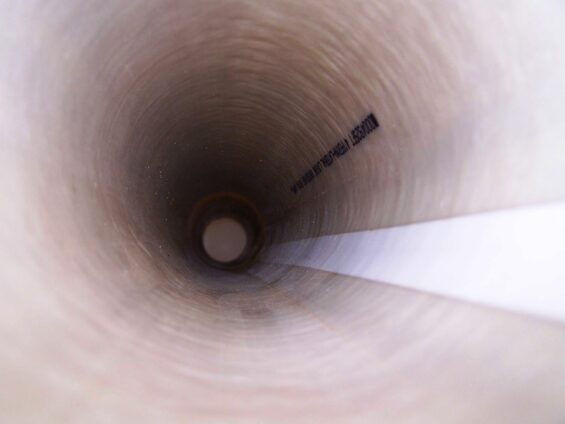
The ASTM F1216 Calculation Is Not Optional Here
ASTM F1216 liner calculations account for burial depth, soil type, groundwater pressure, live loads, and host pipe condition. In a region where those conditions shift with every significant rain event, seismic micro-movement, and seasonal wet-dry cycle, a calculation built on static assumptions has real limits. The only way to know whether a 2mm liner is adequate on a specific LA site is to run the numbers for that site, using the conditions that actually exist there, not a regional average.
Before specifying a 2mm liner on any Los Angeles project, one question needs a documented answer: Have the ASTM F1216 calculations been completed for this specific site?
If the answer is no, the right liner is 3mm.
Build for the Ground You’re In
Southern California’s underground infrastructure is under more stress today than it was a decade ago. Drought cycles are more extreme. Rain events are more intense. Seismic activity continues.
The margin a 3mm CIPP liner provides is not over-engineering. It’s appropriate engineering for the conditions that actually exist below your feet.
Don’t guess on liner thickness. Install 3mm.